
Introducing Energy Stability into the AI Economy
Why the AI economy may depend less on cheap power—and more on stable power

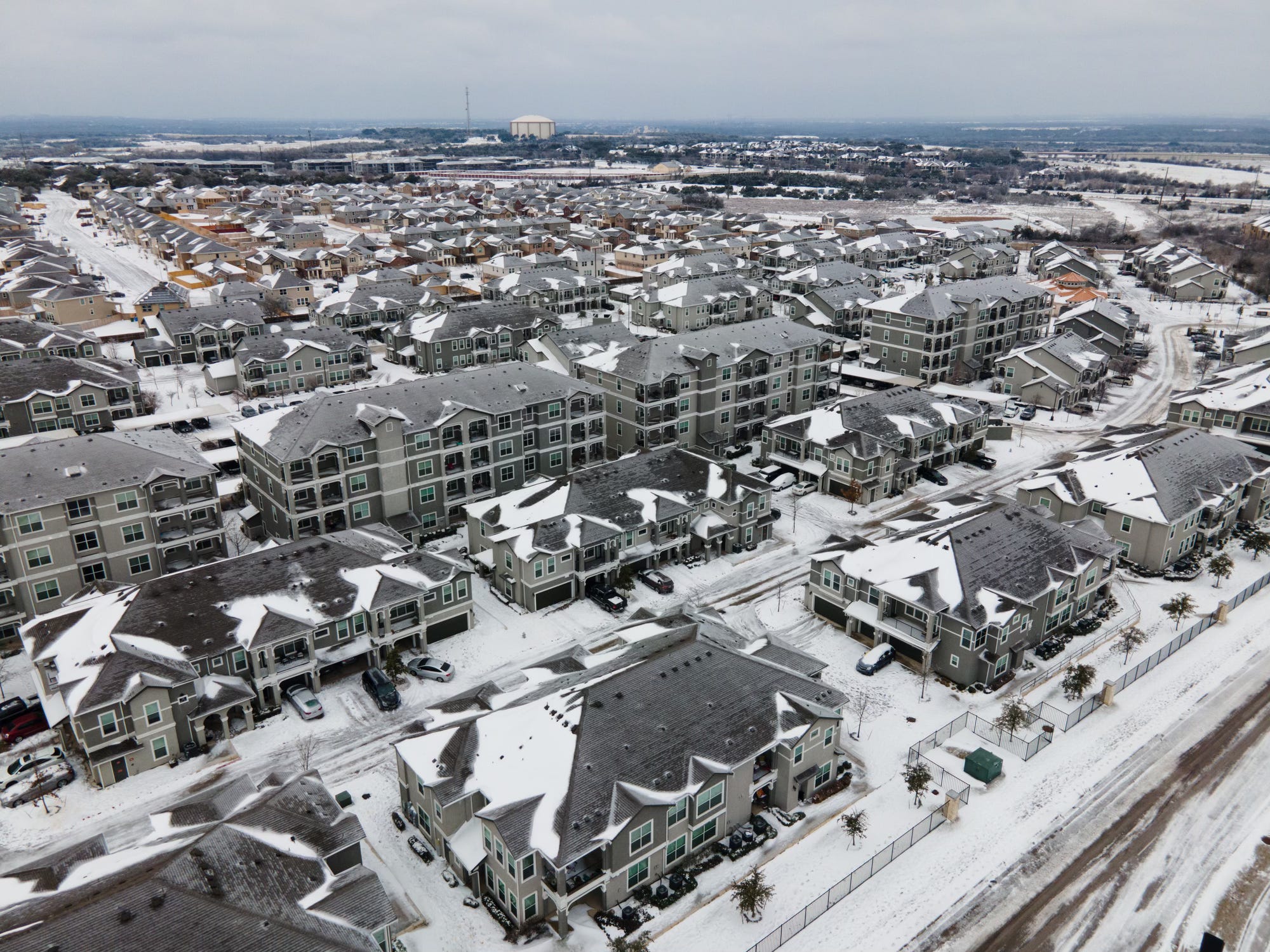
Near the end of January, Winter Storm Fern blasted much of the U.S. with snow, sleet, and freezing temperatures. In Pennsylvania, residents experienced 18 straight days below freezing. The prolonged cold froze gas wells shut just as space heating demand was increasing dramatically, causing a meteoric increase in January’s natural gas prices. At Henry Hub in Erath, Louisiana, the primary pricing point for natural gas futures contracts, spot prices hit $53.75/MMBtu, up 75% in three days. At Iroquois Zone 2, representing New York and Connecticut, the spot price was over $150/MMBtu.
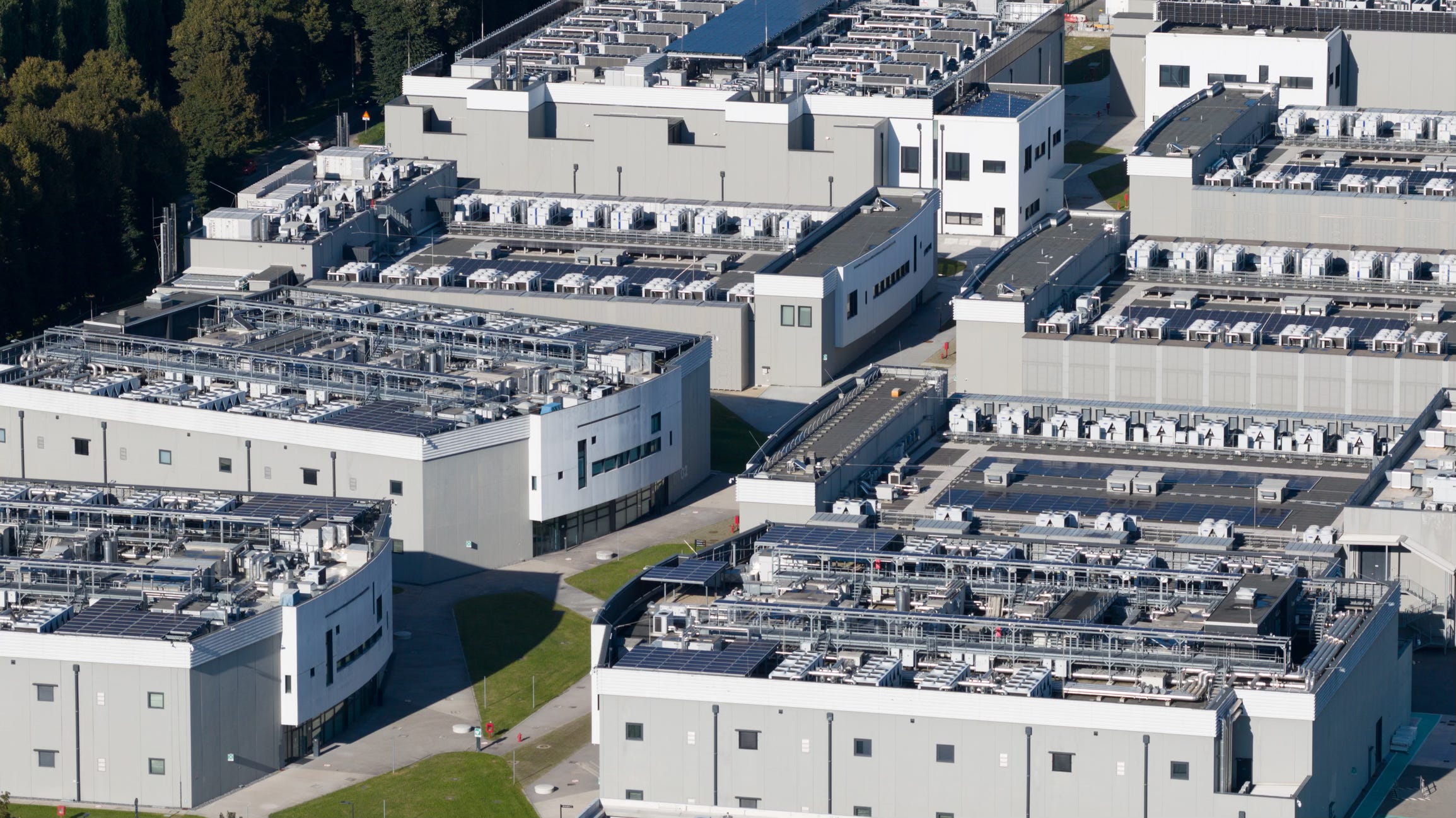
Volatility in energy prices isn’t new, but we are in a new era where short-term weather-related spikes in energy prices are being overshadowed by the explosive growth of AI data centers, large language models, and cryptocurrency mining operations. The future is worrisome. When winter storms like Fern hit, and as compute workloads from data centers multiply, power demand and costs are going to shock ratepayers on a regular basis.
All of this makes it worth asking, “Is the price volatility of the country’s current energy mix too crazy to support the AI economy?” A quick calculation puts a fine point on the question from a data center operator perspective. A 50-megawatt data center (a small sized hyperscale facility) operating at full capacity consumes roughly 438,000 MWh annually; each one-cent increase per kilowatt-hour adds approximately $4.38 million in annual operating costs. That’s real money and a big risk to hedge when uncertainty prevails.
Surging Demand, Dizzying Prices
The average price of electricity by end user, and in their most recent (Nov. 2025) table, every category — residential, commercial, industrial, and transportation — has seen significant electricity price increases, as shown in this EIA table. It’s not a temporary supply-demand imbalance either. The price increases indicate that we’re experiencing a structural mismatch between what the grid can supply and what the AI economy demands.
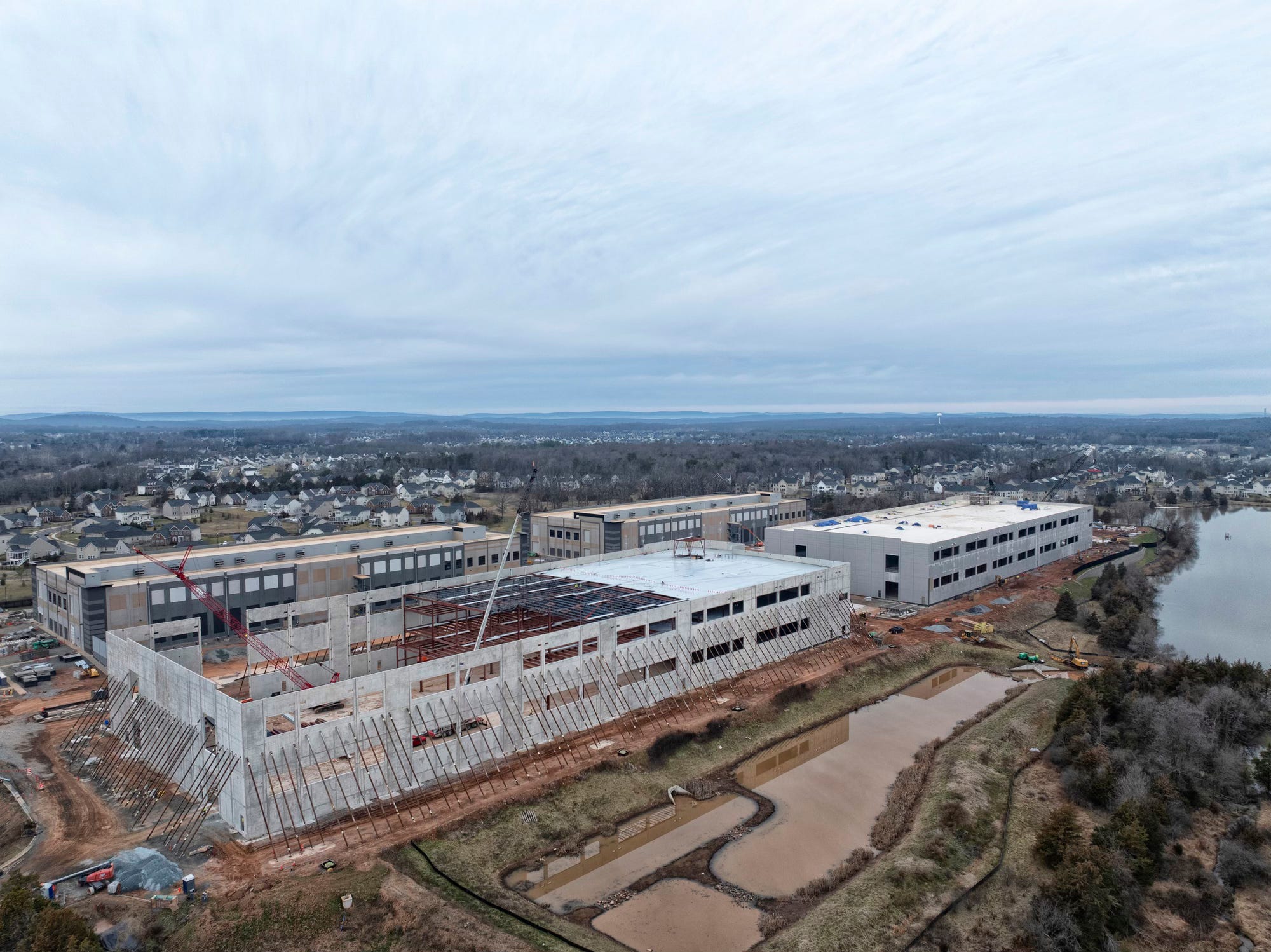
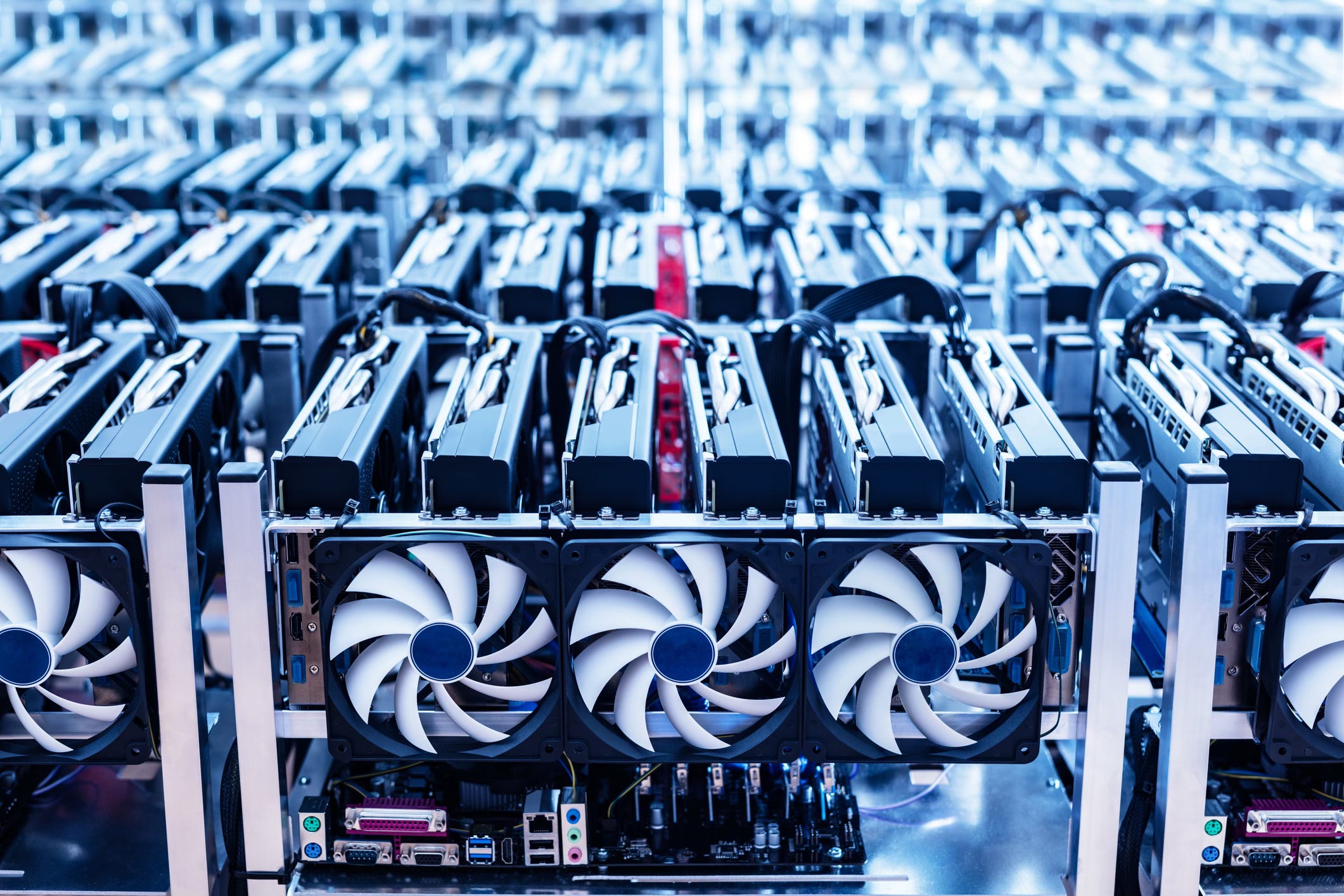
Still, data centers are being announced, planned, and built at a rapid pace. OpenAI alone has announced data center power goals by 2033 that are simultaneously being hailed as transformative and decried as tone deaf. Cryptocurrency mining compounds the strain. Proof-of-work blockchain systems concentrate enormous compute loads often in communities whose grids were never designed for industrial-scale, continuous power draw.
Resource Scarcity Concerns
Energy supply and pricing are not the only factors complicating data center development. Community-level resource concerns are beginning to upstage economic development promises. A study by IEA estimated that a 100-megawatt U.S. data center would consume roughly the same amount of water as 2,600 households, accounting only for direct water consumption and averaged across the various cooling strategies. The CO2 emissions for every query made are substantial, too. One study found that generating 1,000 images based on queries was “responsible for roughly as much carbon dioxide as driving the equivalent of 4.1 miles in an average gasoline-powered car.”
Scarcity concerns are why states like Pennsylvania that are attracting major investments from Microsoft and Google are also advocating for the build-out of more nuclear and natural gas power generation, as well as backing measures that require data center owners to pay for all of their power needs. In past articles, I have called this the B.Y.O.P. movement – bring your own power.
Business-as-usual utility economics are being challenged and there is no near-term policy mechanism that will reverse the trend given the magnitude of new demand being brought online by AI. For ratepayers, the issue is no longer abstract. For data center operators, the issue is now existential. Stable energy costs are now as important as raw kilowatt-hour price.
Searching for Stability
Natural gas has historically appealed to data center operators because of its energy density, relatively low carbon emissions compared to coal or diesel, and rapid dispatchability. These advantages remain real but if rising baseline electricity prices represent a structural problem, and winter episodes like Fern topple stable, behind-the-meter natural gas generation sending natural gas prices skyward, then where can AI find energy pricing stability?
Propane emerged from Fern’s price spikes as a compelling alternative. U.S. EIA weekly data from late January 2026 showed propane prices holding in the $3.60 to $3.90 per gallon range — a bit higher to be sure –– but nothing approaching the futures-market doubling seen in natural gas. The reason? Propane’s stored-supply model insulates it from the pipeline congestion and spot-market dynamics that make natural gas so vulnerable during cold-weather demand surges. For propane, there are no wells to freeze and no pipeline to congest when fuel is tank-stored at AI data center sites.
The economics of propane-based generation are increasingly competitive in a crisis context. One gallon of propane contains roughly 91,500 BTUs. Modern propane generators convert approximately 30 to 40 percent of that energy to electricity, placing the delivered cost of propane-generated power in a range that is comparable to high-cost grid states, substantially more stable than spot natural gas during extreme weather events.
Can renewables — solar and wind — bring some price stability? Solar and wind offer some of the lowest marginal costs in calm market conditions, with utility-scale solar running roughly $0.03 to $0.06 per kilowatt-hour and wind lower still. But their intermittency makes them inadequate as standalone solutions for facilities that require continuous, high-density power and unfortunately in Winter Storm Fern, they struggled to keep up. Across the Midwest, for example, wind was generally expected to provide 9,640 MW of power. Instead, it only provided 2,309 MW. On the solar/battery side, ERCOT’s grid showed that during the peak storm days of January 24 and 25 in Texas, solar-connected batteries were charging, not providing power to the grid until later in the day on the 25th.
Stability is the New Affordability
The strategic case for propane in AI energy infrastructure rests both on its low kilowatt-hour cost in normal market conditions and on what it delivers in abnormal ones: stored on-site supply unaffected by pipeline congestion, rapid deployment of generator systems, wide availability across the U.S., and a price profile that provides genuine stability during weather shocks. For data centers, especially those placed in rural site clusters, propane increasingly functions as a volatility hedge.
The new definition of “affordable energy” for data centers is no longer the lowest posted rate in perfect conditions. It means stable through climate extremes, scalable without grid interconnection delays, and predictable over long operating horizons. In that redefined equation, propane’s relative calm during the January-February 2026 price chaos offers a compelling case for introducing stable energy solutions such as propane into the operations powering the AI economy.